The Tools by Phil Stutz & Barry Michels
The Tools: Transform Your Problems Into Courage, Confidence, and Creativity - 5*
Phil Stutz & Barry Michels
I watched the documentary “Stutz” on Netflix, which films Jonah Hill in therapy with Phil Stutz. I thought it was interesting and so practical. I decided to read The Tools to learn more about Stutz’s methods.
One of the reviewers I read said she didn’t like self-help books because you can never remember what they said. True, but I have all kinds of things I can’t remember, not just self-help books! Many times, an applicable part of what I read or heard occurs to me when something happens. Sometimes I write myself notes to put in my blog or purse. I thought it was kind of cool that this book includes goofy little drawings that Stutz makes to give to his patients that help them remember the tools.
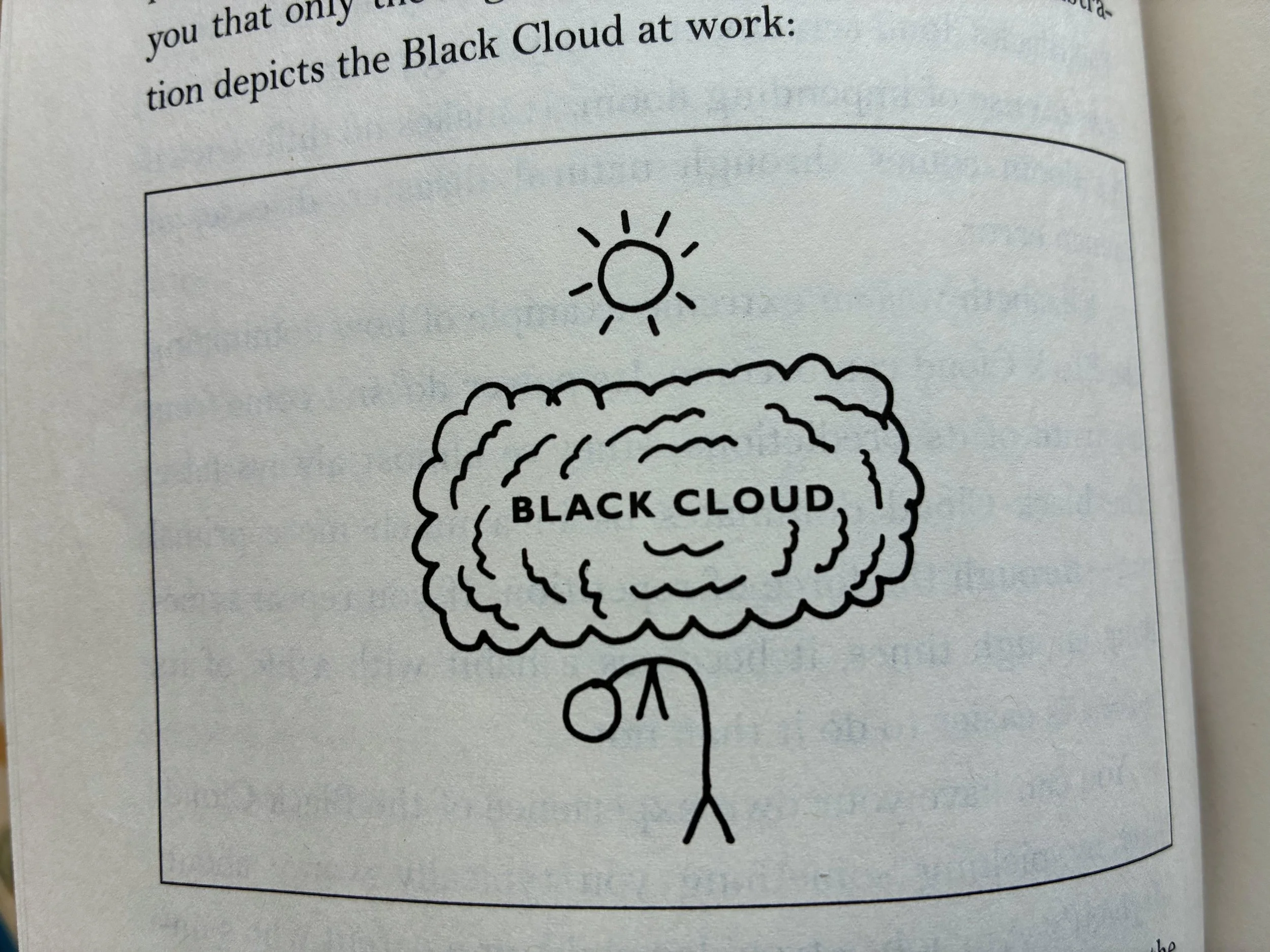
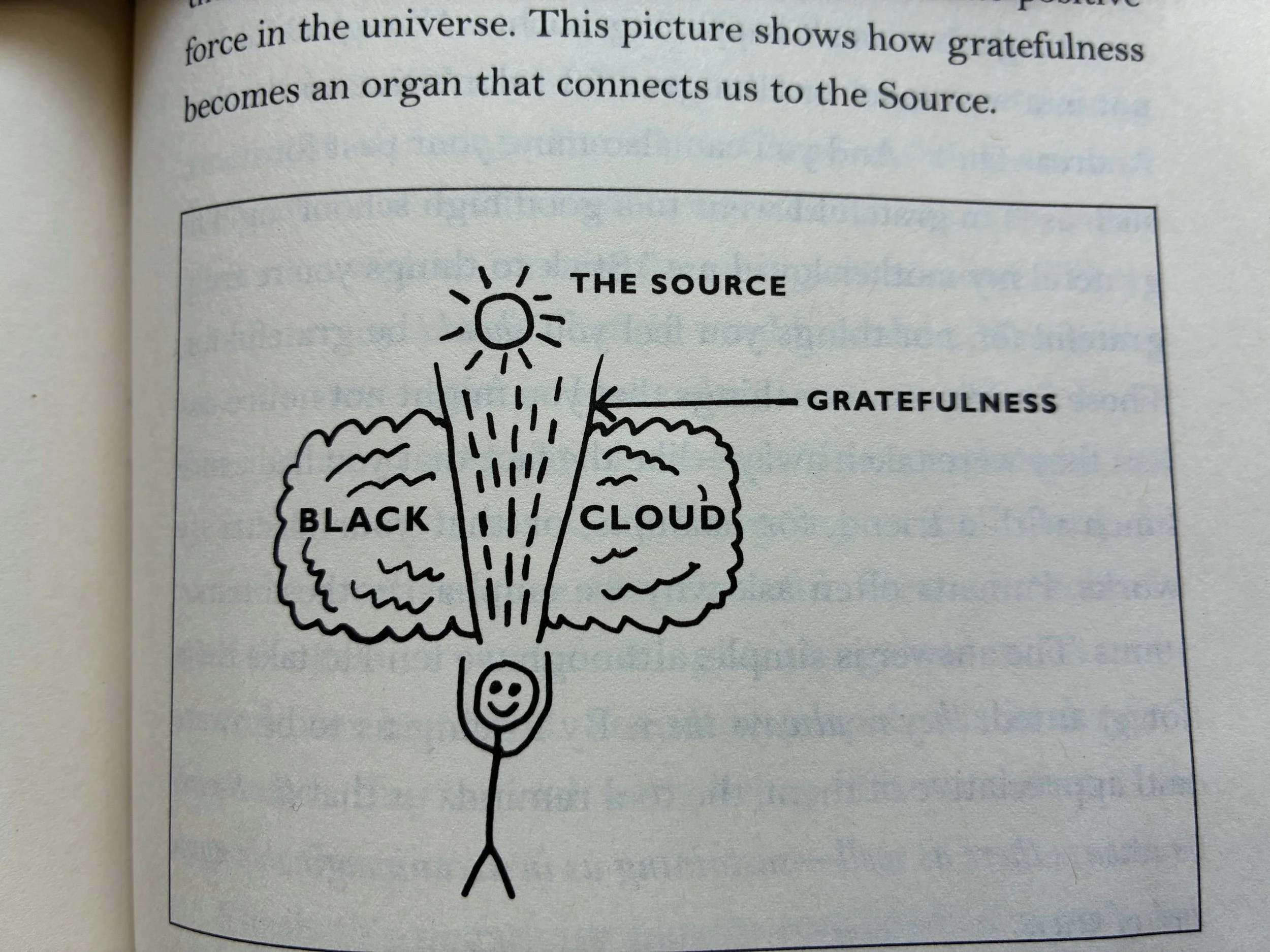
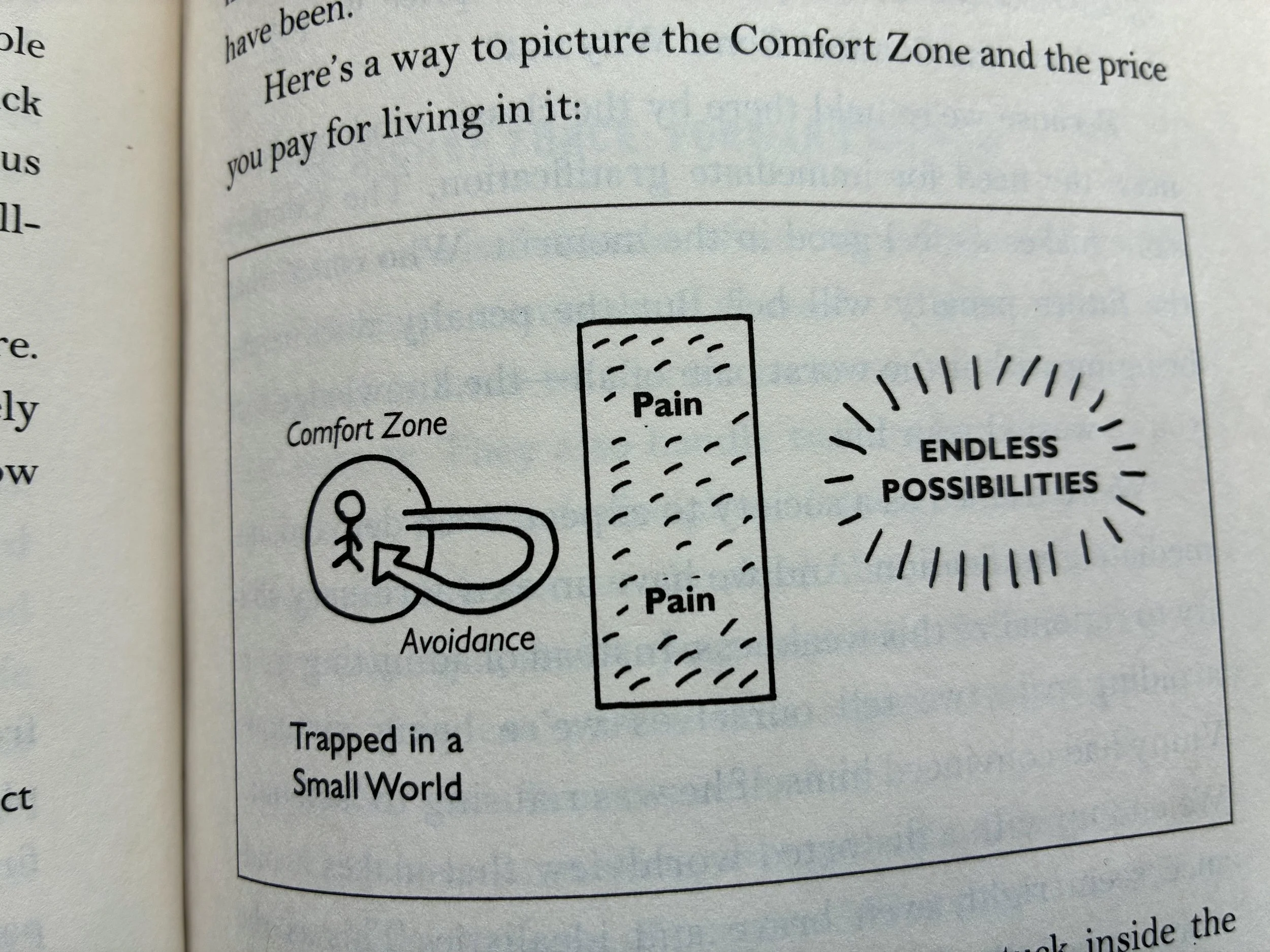
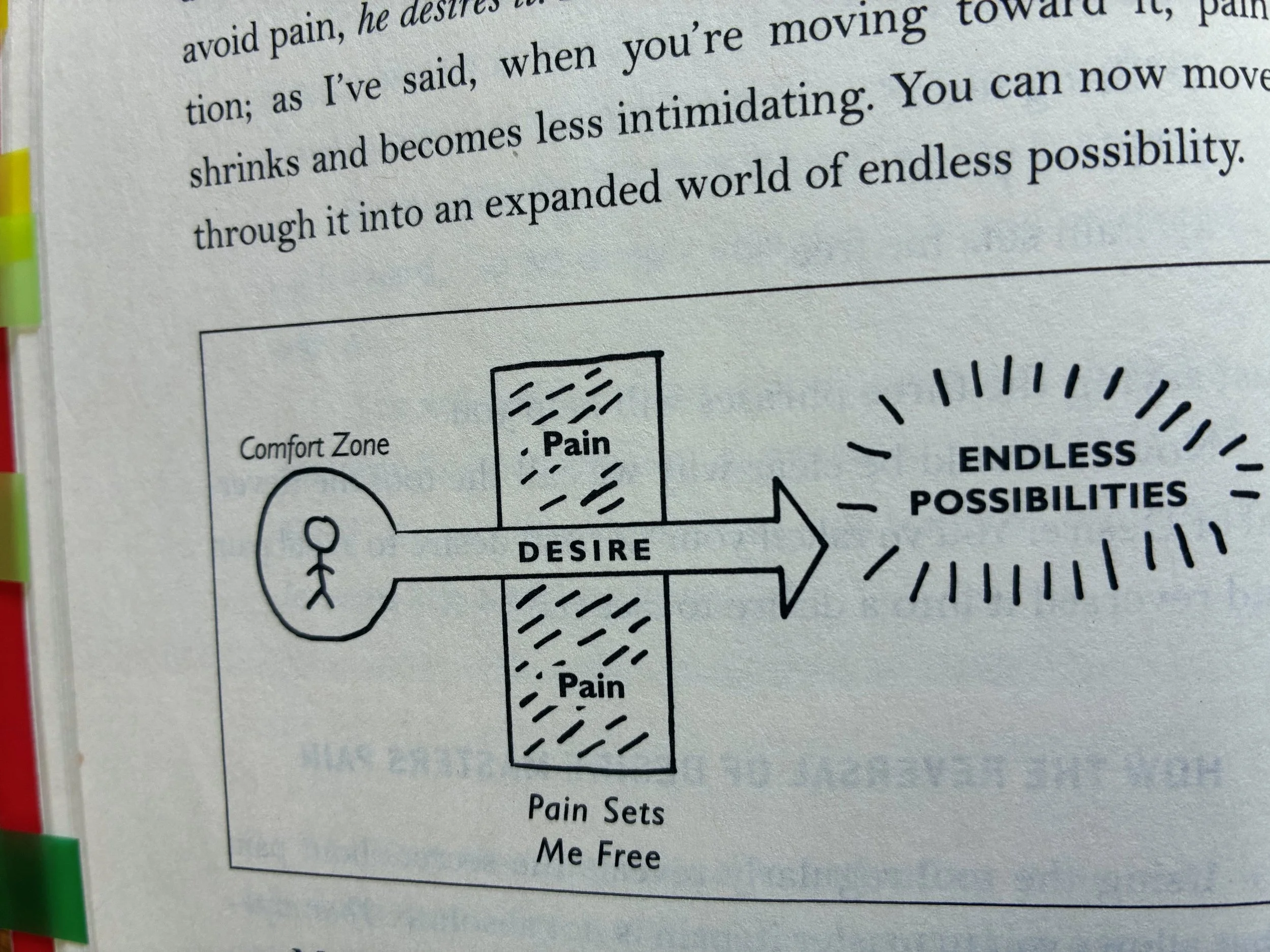
I think I’ll try to draw them myself and put them in my journal. They’re at my level of drawing ability. :)
It’s interesting that these tools rely on imagination — like the imaginative prayer I love in the Ignatian Spiritual Exercises! Another example of the power of imagination.
All the reviews I read summarized the tools: Reversal of Desire, Active Love, Inner Authority, Grateful Flow, Jeopardy, and Faith in Higher Forces. I can’t see a way to write about the book without summarizing whatever tools I’m writing about, but it feels unfair because the full explanation and stories in the book do such a better job of giving you the idea of how they work and could help you.
Sometimes the words the authors use, and even the detailed description of how to use the tool, don’t work perfectly for me. The authors say from the beginning that that will likely be true. When you read it through, though, and think about how it applies to you, you develop your own way to work it. For example, the first tool is "Reversal of Desire.” “Use the tool [Reversal of Desire] when you need to take an action you’ve been avoiding” (page 66). It is for when you want to stay in your comfort zone and avoid pain. The steps of the tool are:
Focus on the pain you’re avoiding; see it appear in front of you as a cloud. Silently scream, “Bring it on!” to demand the pain; you want it because it has great value.
Scream silently, “I love pain!” as you keep moving forward. Move so deeply into the pain you’re at one with it.
Feel the cloud spit you out and close behind you. Say inwardly, “Pain sets me free!” As you leave the cloud, feel yourself propelled forward into a realm of pure light” (pages 66-67).
You can see why they called it “Reversal of Desire:” because you are supposed to love and want the pain you at first hate and want to avoid. Loving and wanting the pain doesn’t feel quite right to me. I can more easily imagine defying the pain, proving it wrong, rebelling against it, or winning in spite of it. A personal example that came to mind when reading this was when my husband was laid off and had no job for 9 months. I told my co-worker about it and said how we were going to get through this — finding a job would be my husband’s new job, we would talk with the kids about not spending as much money, and we would rely on our faith to see us through. My co-worker laughed and said, “You’re like my wife when I lost my job. She tightened her belt, raised her fist, and said, ‘Let’s go.’”
Another time I had a situation at work where I again used defiance to get through. My company merged with another and we had to decide if we would use the database I had created to use for our operations processes or use the database the other company had been using. As people lined up on one side or another, I became a target. I had created the database that some of them did not want to change to, therefore in their minds I was the reason they were going to be forced to make a change they disliked. I was miserable for weeks. One day as I was walking across the office, I asked myself, “Are you doing what you believe is right?” I answered myself, “Yes.” And, “Then, ‘Damn the torpedoes! Full speed ahead!” :D
I tried the tool for something happening right as I read about it. I needed to call some contractors to get some quotes for work on my house. It is outside my comfort zone to make those calls. I had found several names and written out the scope of the job to prepare myself, but I had avoided making the calls for several days. When I read about this tool, I envisioned the phone call as a cloud and said to it, “OK, bring it on!” Then I picked up the phone and got it done. I can’t say I loved making the phone calls, not at all, but my defiance and refusal to let it beat me gave me the power I needed to break through my comfort zone and make them.
Is that the “right” way to use the tool? Maybe not. But I like to think it’s a personalized version of it. As you learn the tools, I think you learn how they work in yourself.
It is interesting that sometimes it reminded me of the book Joyful Anyway by Kate Bowler, which I was reading concurrently. (I wrote about it here.) Kate wrote about being advised to turn toward grief, longing, and ache, and say “yes” to them, even find them holy. Another version, I believe, of reversing the desire, or of another tool, facing our shadow selves.
And speaking of holy, The Tools has a lot about the “higher force.” It sounds a lot like AA’s higher power, right? The authors talk about that. They name a particular higher force for each tool: Forward Motion, Outflow, Self-Expression, and others. There is a whole chapter devoted to “Faith in Higher Forces” (page 221). Barry Michels, who narrates the book, was a skeptic about higher forces. His parents were atheists and he said, “In short, faith was my family’s ‘f-word.” (page 221). Even as he used the tools with his patients, his skepticism only hardened. He talked to Stutz about it and said, “You’re asking me to change everything I believe.” Stutz said, “I don’t want to talk you into anything. Life will do that in its own way” (page 226). And later, Stutz told him not to debate the validity of the higher power, but “choose a tool and (his words), ‘shut up and use the tool’ every time I experienced the problem” (page 233). As Michels followed these instructions and used the tools:
Just as Phil had predicted, my doubts were gone. I had experienced higher forces moving in my life, changing me for the better. I couldn’t prove the existence of higher forces logically, but I no longer felt the need to. (page 237)
Once again, finding God in everything.
I found this a very helpful self-help book. You might like watching the documentary I mentioned at the beginning (“Stutz” on Netflix) as a quick and easy introduction. I recommend reading the book and getting the full details on the tools, even if it feels like you’ve heard it all before.